Electrical
A course by
Wintec
Gain core practical and theoretical skills to become an engineering technician through applied study in electrical engineering. Prepare for a career in the power industry, industrial automation, or consumer products with this NZQA Level 6 accredited diploma, recognised nationally and internationally.
Blended study
This is a mix of online learning & face-to-face sessions
Rotokauri Campus, Hamilton
It will take a total of 2 years

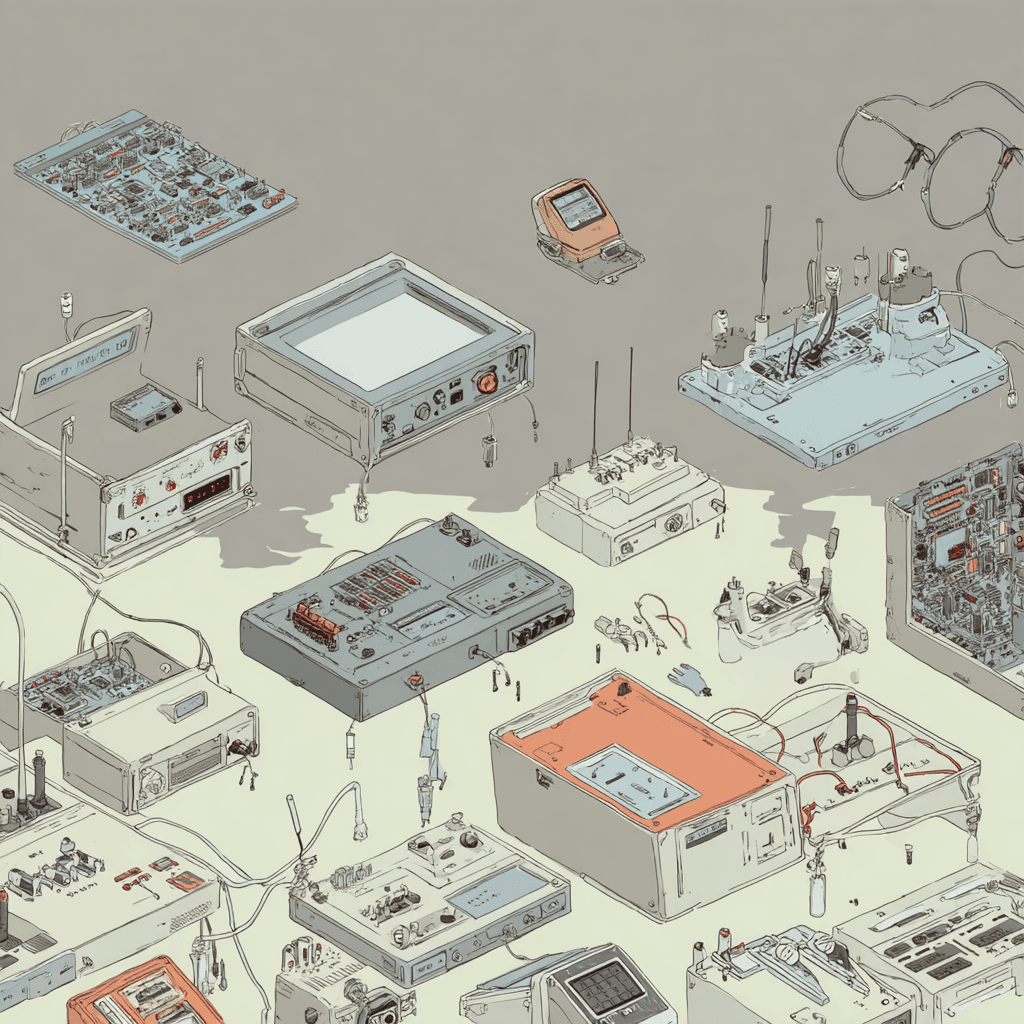
Gain hands-on skills using modern industry equipment, such as oscilloscopes and automation systems, to service and maintain electronic equipment.

Learn the foundational and advanced theories and practices required to work as an electrical engineer or technician.

The New Zealand Diploma in Engineering (Electrical) is a two-year hands-on programme where students develop foundational and advanced skills in electrical engineering to meet industry demands. Accredited by Engineering New Zealand under the Dublin Accord, the diploma prepares graduates to work in electrical engineering roles across power distribution, automation, and infrastructure, using current industry equipment and projects. The programme includes compulsory and elective modules that cover electrical principles, electronic applications, power engineering, PLC programming, and more. Practical and tutor-led learning is combined with computer-based study and industry-based assessments.
What you need to know first

Electrical Engineering
Power Distribution
Industrial Automation
Building Services Infrastructure

Engineering technician roles in electrical engineering
Careers in power distribution, industrial automation, or building services infrastructure
Electrical
A course by
Wintec
Gain core practical and theoretical skills to become an engineering technician through applied study in electrical engineering. Prepare for a career in the power industry, industrial automation, or consumer products with this NZQA Level 6 accredited diploma, recognised nationally and internationally.
Blended study
This is a mix of online learning & face-to-face sessions
Rotokauri Campus, Hamilton
It will take a total of 2 years

Gain hands-on skills using modern industry equipment, such as oscilloscopes and automation systems, to service and maintain electronic equipment.

Learn the foundational and advanced theories and practices required to work as an electrical engineer or technician.

The New Zealand Diploma in Engineering (Electrical) is a two-year hands-on programme where students develop foundational and advanced skills in electrical engineering to meet industry demands. Accredited by Engineering New Zealand under the Dublin Accord, the diploma prepares graduates to work in electrical engineering roles across power distribution, automation, and infrastructure, using current industry equipment and projects. The programme includes compulsory and elective modules that cover electrical principles, electronic applications, power engineering, PLC programming, and more. Practical and tutor-led learning is combined with computer-based study and industry-based assessments.
What you need to know first

Electrical Engineering
Power Distribution
Industrial Automation
Building Services Infrastructure

Engineering technician roles in electrical engineering
Careers in power distribution, industrial automation, or building services infrastructure
Complete projects, manage engineering tasks, and apply technical literacy to real-world engineering problems.
NCEA Level 2 with a minimum total of 48 credits at Level 2 in four subjects, including at least 12 credits in Mathematics (preferably achievement standards in algebra, calculus, or trigonometry)
Equivalent qualifications (e.g. International Baccalaureate or Cambridge)
Equivalent credits from trades training and/or demonstrated skills and experience
For those with NCEA Level 2 before 2013: minimum 10 literacy credits at Level 1 or higher
Special admission available for domestic applicants age 20+ without formal qualifications, based on skills, education, or work experience (at Centre Director’s discretion)
Provisional entry for under-20s who do not meet general admission but show reasonable chance of success (at Centre Director’s discretion)
Entry-level positions in technical/engineering workplaces relevant to electrical engineering

Complete projects, manage engineering tasks, and apply technical literacy to real-world engineering problems.
NCEA Level 2 with a minimum total of 48 credits at Level 2 in four subjects, including at least 12 credits in Mathematics (preferably achievement standards in algebra, calculus, or trigonometry)
Equivalent qualifications (e.g. International Baccalaureate or Cambridge)
Equivalent credits from trades training and/or demonstrated skills and experience
For those with NCEA Level 2 before 2013: minimum 10 literacy credits at Level 1 or higher
Special admission available for domestic applicants age 20+ without formal qualifications, based on skills, education, or work experience (at Centre Director’s discretion)
Provisional entry for under-20s who do not meet general admission but show reasonable chance of success (at Centre Director’s discretion)
Entry-level positions in technical/engineering workplaces relevant to electrical engineering